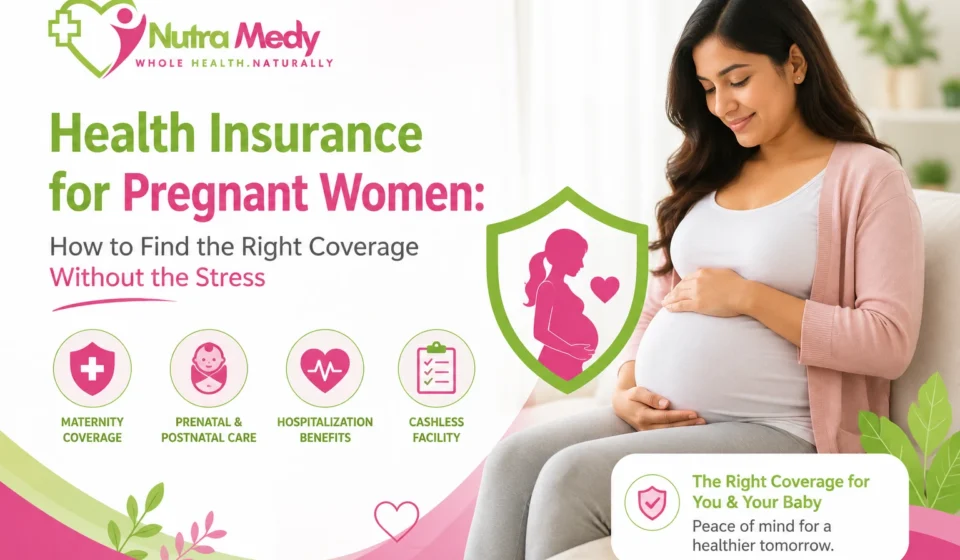
Health Insurance for Pregnant Women: How to Find the Right Coverage Without the Stress

If you’ve ever Googled “how much does it cost to have a baby in the US,” you already know the number is enough to make anyone sit down for a minute. Even a routine vaginal delivery can run anywhere from $10,000 to $20,000, and that’s before you factor in prenatal visits, ultrasounds, lab work, and the inevitable surprise charge that shows up two months later. For anyone who’s expecting — or hoping to be soon — having solid health insurance for pregnant women isn’t a nice extra. It’s the thing that decides whether your biggest life moment also becomes your biggest financial headache.
Table Of Content
- Why Pregnancy Coverage Matters More Than You’d Think
- The ACA Changed the Game for Pregnant Women
- What Maternity Health Insurance Actually Covers
- A Real Example: How This Plays Out
- How to Choose the Best Health Insurance for Pregnancy
- Step-by-Step: Getting Covered When You’re Pregnant
- Tips to Lower Your Pregnancy Insurance Costs
- FAQ: Health Insurance for Pregnant Women
- Final Thoughts
The good news is that pregnancy coverage in the United States is more accessible than most people realize, thanks to protections built into federal law. The tricky part is figuring out which option actually fits your situation — your income, your job status, your state, and your timeline. This guide walks through exactly that in plain language, so you can make a confident decision rather than a panicked one.
Why Pregnancy Coverage Matters More Than You’d Think
A lot of people assume their existing plan will “just cover it” once they get pregnant. Sometimes that’s true. Sometimes it’s not, and the gap shows up in the form of a bill you weren’t expecting.
Here’s what’s actually at stake without proper maternity health insurance:
- Prenatal visits (typically 10–15 over nine months)
- Bloodwork, genetic screening, and ultrasounds
- Labor and delivery, whether vaginal or C-section
- Hospital stay (1–4 days depending on delivery type)
- Anesthesia and epidural costs
- Newborn care immediately after birth
- Postpartum checkups for both mom and baby
Add it all up without coverage, and you’re easily looking at $20,000–$30,000 for a straightforward delivery and well over $50,000 if complications or a NICU stay are involved. That’s why getting health insurance for pregnancy sorted out early — ideally before you’re even pregnant, but realistically as soon as you find out — makes such a huge difference.
The ACA Changed the Game for Pregnant Women
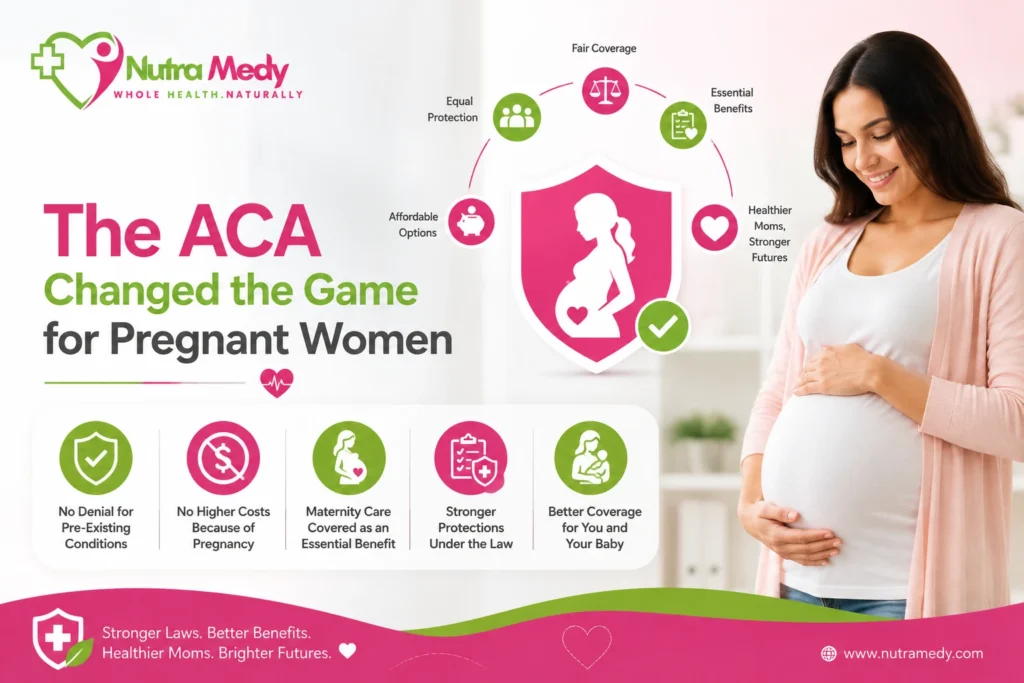
Before 2014, pregnancy was often treated as a “pre-existing condition.” Insurance companies could deny coverage or charge sky-high premiums to anyone who was already pregnant. The Affordable Care Act (ACA) put a stop to that.
Under current federal rules:
• Insurers cannot deny you coverage because you’re pregnant.
• Insurers cannot charge you more because you’re pregnant.
• All ACA marketplace plans must cover maternity and newborn care as one of ten “essential health benefits.”
• This applies whether you’re on a marketplace plan, an employer plan, or Medicaid.
This is a big deal. It means that almost any major medical plan sold in the US today — through your job or through healthcare.gov — has to include pregnancy insurance benefits by law. Does this plan cover my pregnancy? The answer is not really the question. The question is, how much will I pay out of my financial resources for that coverage?
Types of Health Insurance for Pregnant Women
There’s no single “best” answer here — it depends heavily on your circumstances. Below is a breakdown of the main paths people take.
| Coverage Type | Who It’s For | Typical Monthly Cost | What to Know |
|---|---|---|---|
| Employer-sponsored plan | Anyone working full-time with benefits | $50–$300 (your share) | Often the cheapest overall option; check if your employer plan covers your spouse too |
| ACA Marketplace plan | Self-employed, between jobs, or no employer coverage | $0–$400 depending on subsidy | Subsidies based on income can make this very affordable |
| Medicaid | Lower-income households (varies by state) | $0 | Covers pregnancy completely in most states, even if you don’t normally qualify |
| CHIP (in some states, “CHIP for unborn children”) | Pregnant women slightly over Medicaid income limits | $0–$50 | Covers prenatal and delivery care; eligibility varies by state |
| COBRA | Recently lost a job with employer coverage | Often $400–$700 | Lets you keep your old plan temporarily, but it’s expensive |
| Short-term health plans | Generally NOT recommended for pregnancy | Varies | These plans seldom cover maternity care — avoid if pregnancy is a possibility |
A quick word on that last row: short-term plans are sold as a “cheap” fix, but they’re built around the idea of covering accidents and short gaps, not ongoing care like pregnancy. If you’re trying to find the best health insurance for pregnancy, a short-term plan is one to skip entirely.
What Maternity Health Insurance Actually Covers
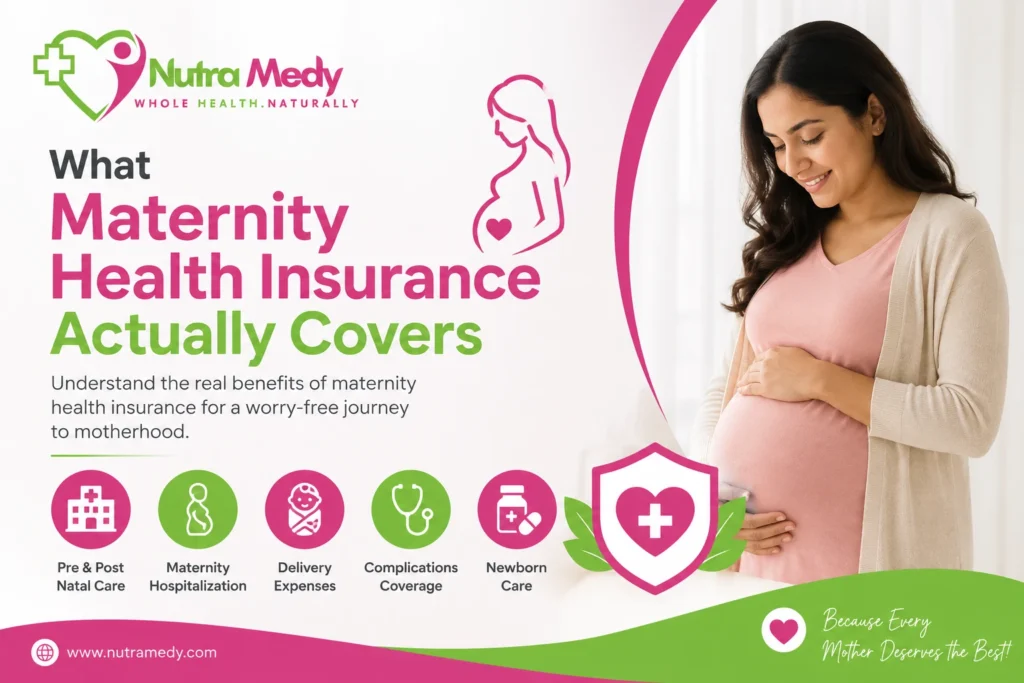
Most comprehensive plans break maternity coverage into three phases:
Prenatal care — Office visits with your OB-GYN or midwife, routine bloodwork, ultrasounds, gestational diabetes screening, and any specialist referrals if your pregnancy is considered high-risk.
Labor and delivery — Hospital or birthing center fees, doctor and anesthesiologist fees, the delivery itself (vaginal or C-section), and your hospital stay.
Postpartum care — Follow-up visits for you, newborn care in the hospital, and in many plans, breastfeeding support and pumps.
One thing people often miss: mental health coverage for postpartum depression and anxiety is also required under ACA plans, since mental health services are part of the essential benefits package. If you’re choosing between plans, it’s worth checking how each one handles therapy copays, because postpartum support matters just as much as the physical recovery.
A Real Example: How This Plays Out
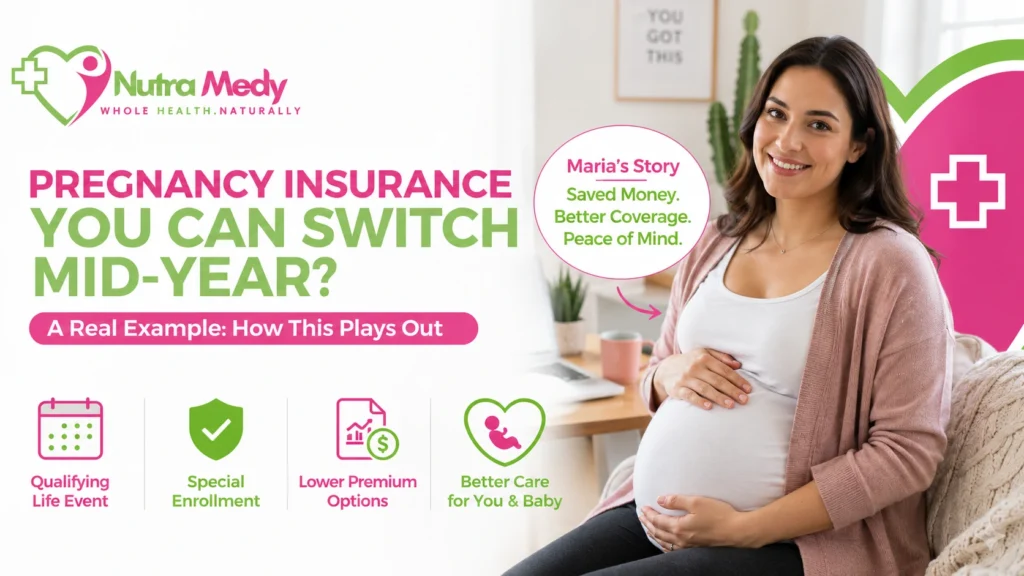
Take Maria, a 29-year-old freelance graphic designer in Phoenix, Arizona. When she found out she was pregnant, she was on a cheap catastrophic plan she’d bought a year earlier — the kind with a $9,000 deductible. She panicked, assuming she’d missed open enrollment and was stuck.
She wasn’t. Because pregnancy and the birth of a child both count as “qualifying life events,” Maria was eligible for a Special Enrollment Period. She switched to a Silver-tier marketplace plan and qualified for a premium subsidy based on her income. She ended up paying about $180 a month with a $2,500 deductible — a massive difference from what she would’ve owed on her old plan.
Her story isn’t unusual. A lot of people end up on better pregnancy insurance simply because they didn’t realize switching was even an option mid-year.
How to Choose the Best Health Insurance for Pregnancy
When you’re comparing plans, don’t just look at the monthly premium. Here’s what actually moves the needle:
- Deductible — How much you pay before insurance kicks in. A lower deductible matters a lot for pregnancy since you’ll hit it fast.
- Out-of-pocket maximum — This is your financial ceiling for the year. Once you hit it, the plan pays 100%.
- In-network OB-GYNs and hospitals — Check that your preferred doctor and delivery hospital are actually in-network before you enroll.
- Coinsurance percentage — After your deductible, do you pay 10%, 20%, or 30% of costs?
- Prescription coverage — Prenatal vitamins, anti-nausea meds, and other prescriptions add up.
A plan with a slightly higher premium but a lower deductible and out-of-pocket max is often the better deal for someone who’s pregnant, because you’ll almost certainly use the coverage heavily within the year.
Step-by-Step: Getting Covered When You’re Pregnant
- Check your current coverage first. If you already have a job-based plan or marketplace plan, confirm it includes maternity benefits (almost all do).
- Confirm your Special Enrollment Period. Pregnancy itself, in many states, allows enrollment outside the regular window — and giving birth definitely does.
- Check Medicaid eligibility regardless of income assumptions. Pregnancy Medicaid income limits are often higher than regular Medicaid limits, so it’s worth applying even if you were denied before.
- Compare plans on healthcare.gov or your state exchange. Use the deductible and out-of-pocket max as your main filters.
- Confirm your OB-GYN is in-network before finalizing your choice.
- Enroll and start prenatal care as early as possible — early enrollment in care is linked to better outcomes and fewer surprise costs later.
Tips to Lower Your Pregnancy Insurance Costs
- Ask your employer’s HR department about FSA or HSA contributions — these let you pay for medical costs with pre-tax dollars.
- If your income dropped recently, update it on your marketplace application; subsidies are based on estimated annual income, and a lower estimate often unlocks more savings.
- Ask hospitals about “self-pay” or bundled maternity packages if you’re between coverage — some hospitals offer significant discounts for cash payments.
- Look into your state’s CHIP program even if you think you make too much for Medicaid; CHIP income limits are often considerably higher.
FAQ: Health Insurance for Pregnant Women
- 1. Can I get health insurance after I’m already pregnant? Yes. Pregnancy qualifies you for a Special Enrollment Period in most states, meaning you don’t have to wait for open enrollment to sign up for a marketplace plan.
- 2. Does Medicaid cover pregnancy even if I don’t normally qualify? In most states, yes. Pregnancy Medicaid income limits are typically higher than standard Medicaid limits, so it’s worth checking even if you’ve been denied Medicaid before.
- 3. Will my premium go up because I’m pregnant? No. Under the ACA, insurers cannot raise your premium or deny coverage based on pregnancy.
- 4. What if I lose my job while pregnant? You can apply for marketplace coverage or Medicaid through a Special Enrollment Period triggered by job loss, and you may also be offered COBRA to continue your previous employer plan (though it’s usually more expensive).
- 5. Does maternity insurance cover the baby after birth too? You’ll need to add your newborn to your plan within 30–60 days of birth (this is also a qualifying life event), but most plans cover the newborn’s hospital care immediately after delivery under the mother’s policy.
- 6. Is a high-deductible health plan (HDHP) bad for pregnancy? Not necessarily, especially if it’s paired with an HSA, but you’ll want to budget carefully since you’ll likely hit the deductible early in the year.
- 7. How early should I get insurance sorted out before getting pregnant? If you’re planning ahead, enrolling during the regular open enrollment period (usually November–January) gives you the most plan choices and avoids any gap in coverage.
Final Thoughts
Health insurance for pregnant women is already expensive—adding confusion to the process only makes it harder for expecting mothers. The most important thing to remember is that you have more options than you probably think — federal law guarantees maternity coverage on nearly every major plan, Medicaid limits are often more generous than people expect, and pregnancy itself can open the door to enrollment even outside the usual windows.
Take a little time to actually compare your options side by side, focusing on deductibles and out-of-pocket maximums rather than just the monthly premium. Whether you end up on an employer plan, a marketplace plan, or Medicaid, the goal is the same: solid health insurance for pregnant women that lets you focus on the part that actually matters — getting ready for your baby, not bracing for a bill.
Want to know who we are and how we help women across the USA?
Visit our About Us page to learn more.